



Requirements Gathering
- Requirements Definition
- Analyzing the requirements
- Documenting the process
- Provide initial design

Custom platforms, integrations and dedicated engineering teams for organisations that have outgrown off-the-shelf tools — delivered with the documentation and controls your IT team expects.
Enterprise work is rarely greenfield. Most of it is connecting, replacing or extending systems that already run the business.
ERP modules, CRMs, approval workflows and internal tools modelled on your actual processes and permissions.
Reliable connections between ERPs, finance systems, CRMs and third-party services, with logging and retries.
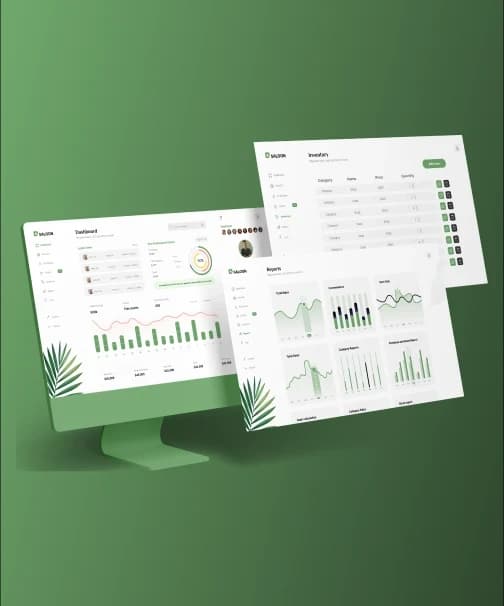
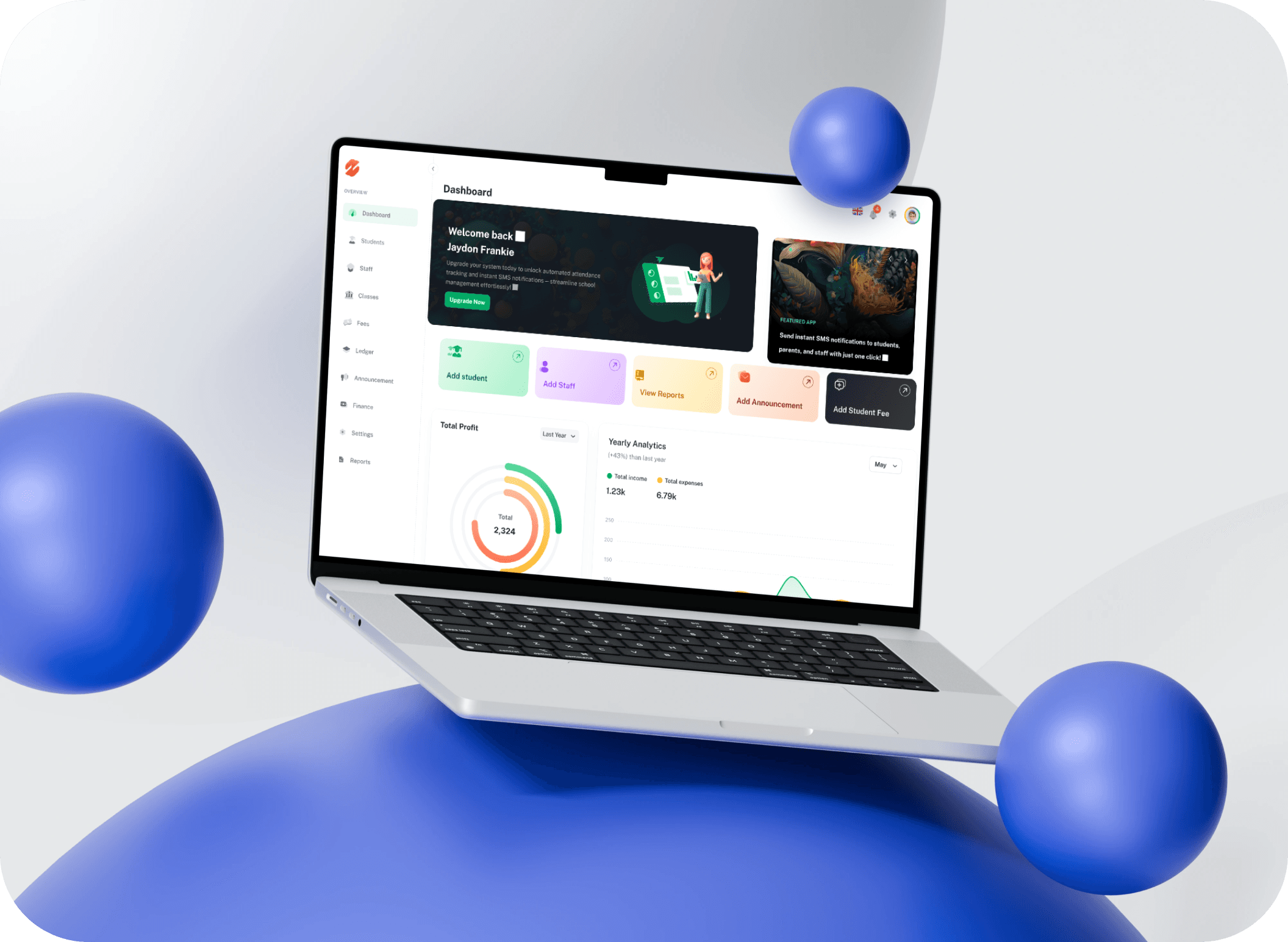
Operational and management dashboards that bring data from several systems into one trusted view.
Move ageing desktop or spreadsheet-based systems to modern web technology in stages, without a risky big-bang switch.
Document processing, internal assistants and AI agents that work on your own data with access controls and audit logs.
Developers, designers and QA who join your sprints, tools and rituals as an extension of your own team.
Everything we deliver under this service — pick one piece or combine several into a single project.
The risk with outside teams is rarely the code itself; it is unclear ownership, knowledge that leaves with the vendor, and changes that bypass your controls. We work inside your guardrails: your repositories, ticketing and environments where you prefer, least-privilege access, code review on every change, and deployments through the pipeline your team approves. Requirements, architecture decisions and runbooks are written down as we go, not at the end.
We also start small. A well-defined first piece — one integration, one module, one dashboard — lets your stakeholders judge our communication and quality before committing more. Weekly demos and sprint reviews keep business owners close to the work, and SLA-based support afterwards means the people who built the system are the ones looking after it.
Requirements and architecture are agreed up front, development runs in Scrum sprints with weekly stakeholder feedback, and support continues under an agreed SLA.
Find answers to common questions about our services and how we can help your business.
Yes. Most of our enterprise work involves connecting to existing systems through their APIs, databases or file exchanges. We document each integration, add logging and error handling, and agree with your IT team how failures are monitored and resolved.
Share the problem, the systems involved and any constraints. We will propose a pilot, a team shape and a delivery plan.